Unraveling social-ecological vulnerability in small-scale farming through causal loop modeling
Abstract
Context
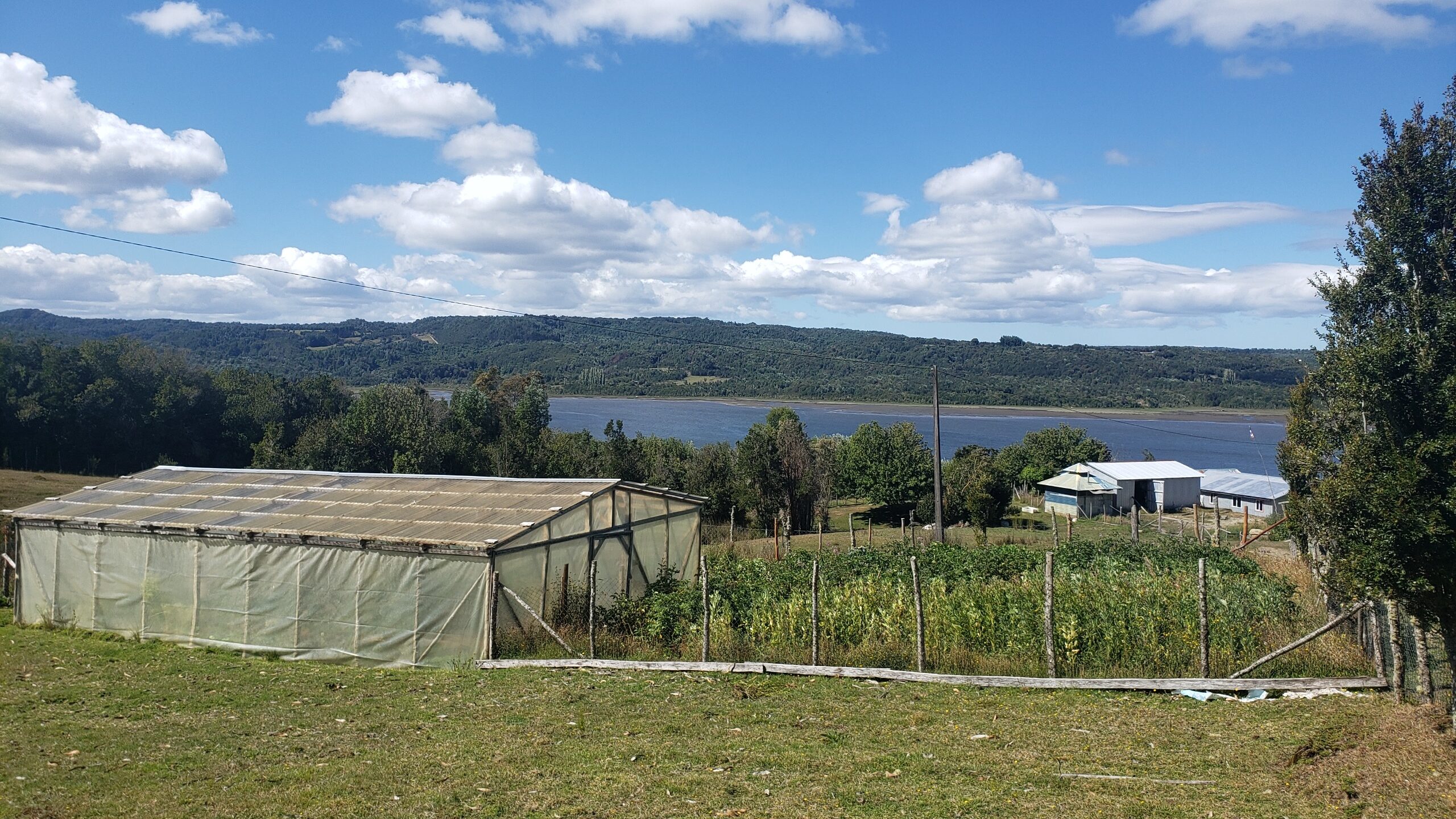
Small-scale farming systems in the Chiloé Archipelago, designated as Globally Important Agricultural Heritage Systems, face increasing social-ecological vulnerability driven by climatic, environmental, and territorial constraints. Assessment tools such as the Livelihood Vulnerability Index (LVI) provide structured diagnostics but remain limited in capturing nonlinear interactions, feedback processes, and cross-scale dynamics that shape vulnerability in agricultural systems.
Objetive
To strengthen vulnerability assessment in small-scale farming by integrating the LVI framework into a Causal Loop Modeling Approach (CLMA), enabling a systemic representation of interactions among exposure, sensitivity, and adaptive capacity.
Methods
We developed causal loop models based on system entities and key processes identified through literature review, household survey data, and expert validation. Causal loop diagrams represented LVI components and their interrelationships, enabling the identification of reinforcing and balancing feedbacks affecting production and livelihoods. The integrated model was further explored through a simple dynamic simulation based on the adjacency matrix to examine the behavioral implications of the feedback structure.
Results
The integrated model revealed five reinforcing feedback loops related to agricultural production, income, agricultural equipment, and labor capacity, alongside three balancing loops driven mainly by water availability constraints. Water scarcity emerged as the main structural limitation affecting production and income, reducing resilience under increasing drought frequency. Knowledge-related variables, including sustainable production knowledge, technical assistance, and support networks, formed a highly connected adaptive capacity component, while geographic isolation increased system sensitivity by limiting access to markets and services. Simulations highlighted contrasting trajectories with productivity and income while water availability and sustainable production knowledge decline.
Conclusion
Integrating LVI with CLMA enhances the representation of social-ecological vulnerability in agricultural systems and identifies actionable leverage points for adaptation, particularly water management, knowledge accessibility, and territorial connectivity.
Keywords
Causal loop diagram (CLD); Social-ecological systems; Globally important agricultural heritage Systems (GIAHS); Climate change, Smallholder farming; Chile
Información
2026
Artículo
local_offer Líneas de acción