The social in the scientific discussion on wildfire risk management in Chile
Abstract
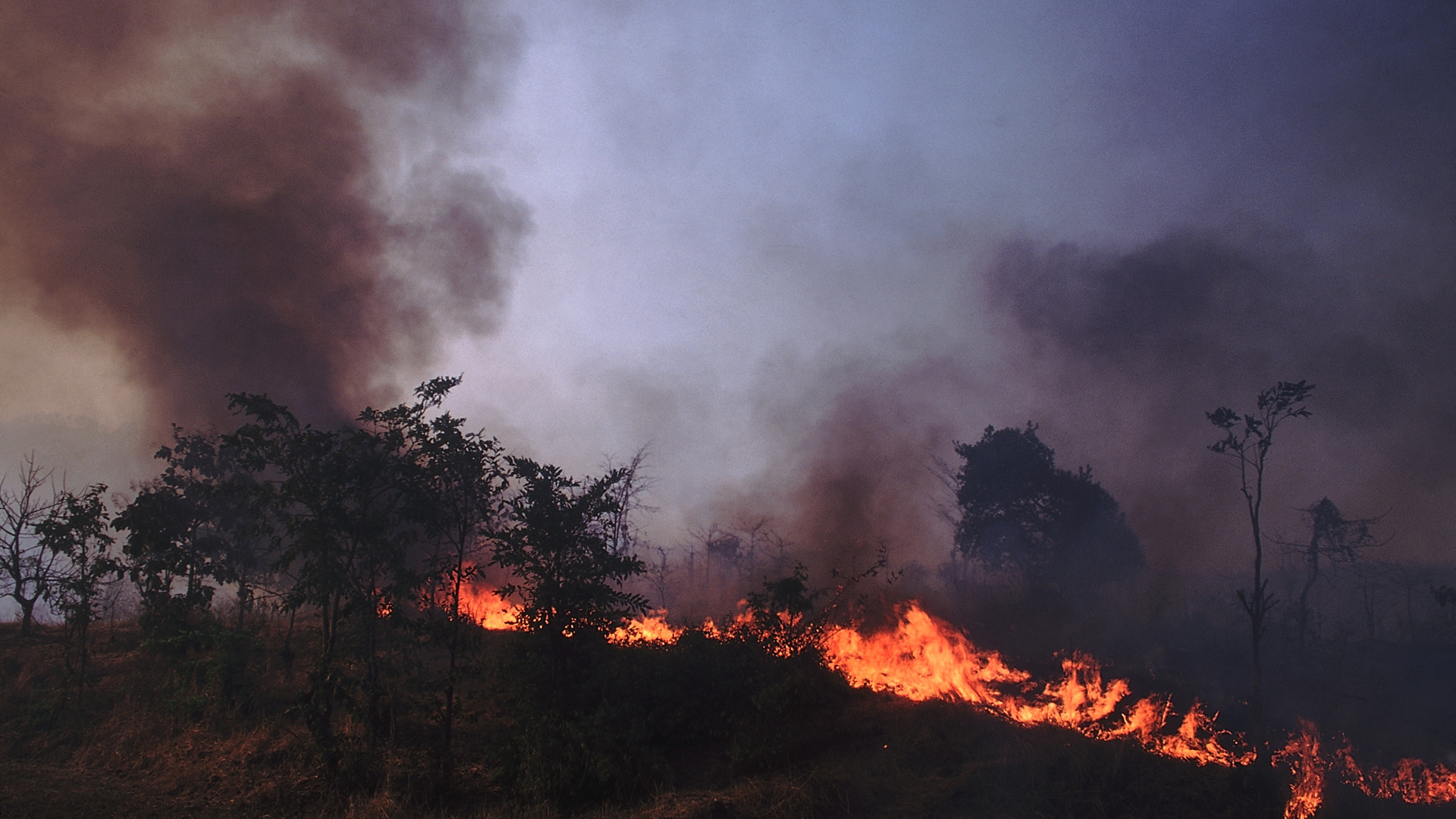
The challenge of wildfires is closely linked to social factors, processes, and actors. Research has recognized this nexus, incorporating institutional, cultural, and territorial considerations in the emerging field of wildfire risk management (WRM). However, how the social dimension of WRM is addressed in scientific reflection has not been systematically analyzed so far. Drawing on the case of Chile, a country that exemplifies the rise of a new wildfire regime, we conducted a systematic review of 53 publications on WRM to understand how “the social” is reflected in scientific reflection. We find clear patterns in how the social is mobilized depending on how research questions, scales of analysis, units of analysis, and methodological options are defined. Taken together, the results suggest that the integration of social aspects in WRM tends to follow two distinct and unconnected methodological-analytical paths: one led by the social sciences, focused on participation and governance, and favoring qualitative methods; another led by the agricultural, natural, and engineering sciences, focused on risk prediction, and based on quantitative techniques. The results also suggest that, irrespective of the path, the inclusion of social variables does not prevent a technocratic approach, with virtually no consideration of participatory, transdisciplinary, or collaborative methodologies in which local actors are included as active agents of research.
Información
2026
Artículo
local_offer Líneas de acción